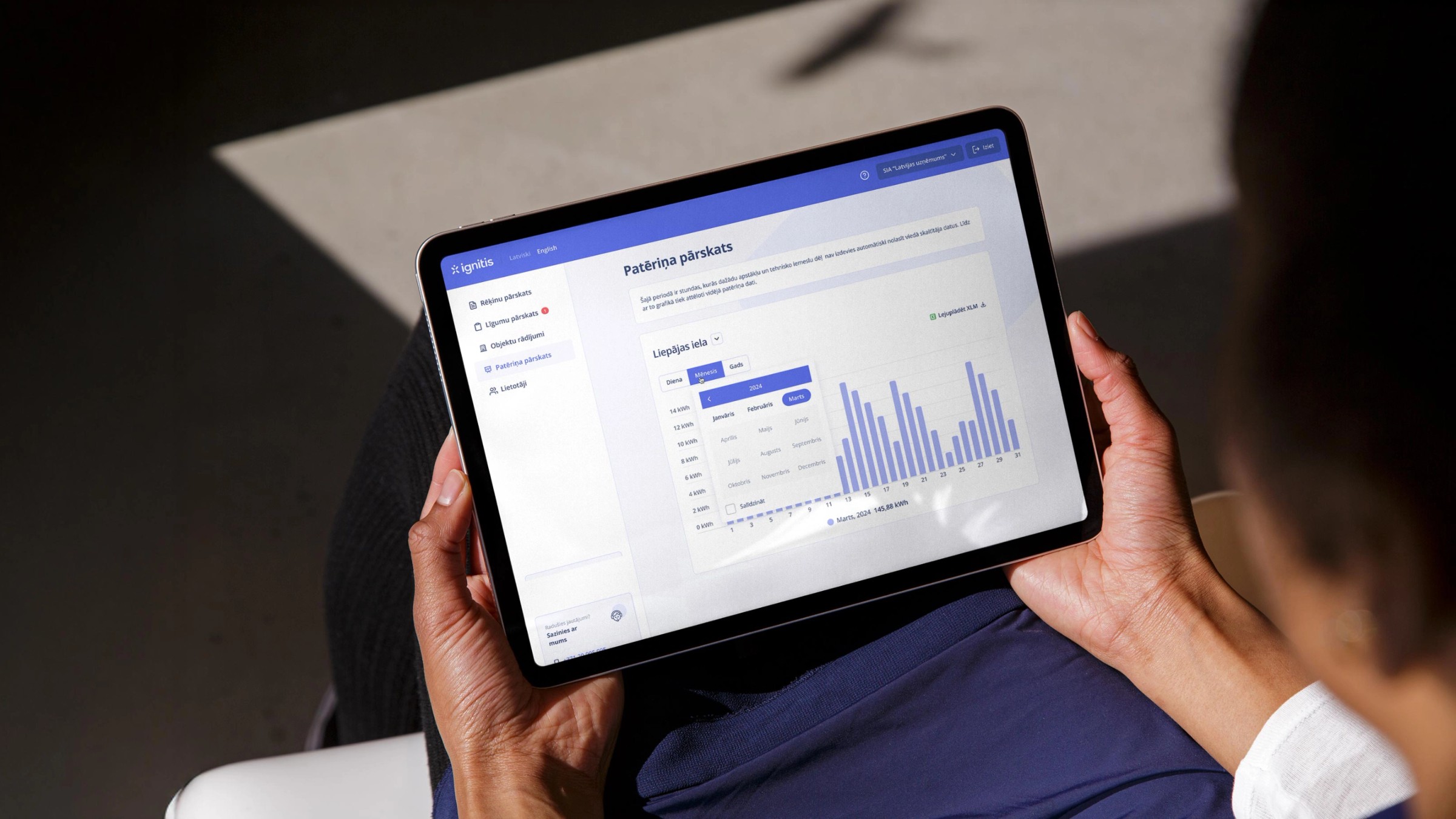





Customer Self-Service Platforms
Software Development

Customer Self-Service Platforms

Trusted by

Why Is Building a Self-Service Portal a Strategic Investment?

01
Higher Customer Satisfaction and Loyalty

By enhancing customer experience and modernizing your brand in digital channels.

02
Reduced Customer Service Costs

By process automation and tailored AI solutions.

03
Better Tailored Services and Marketing Efforts

By AI-powered insights on customer behavior and preferences from data analytics.

What the Research Says

-86%

Lower cost per interaction – the average live customer service interaction (phone, e-mail, chat) costs around $13.50, while a self-service interaction costs about $1.84.

Gartner

+33%

More satisfied, on average – customers who use digital self-service channels report noticeably higher satisfaction than those relying on traditional channels like phone or email.

McKinsey

3.5×

Higher revenue growth for companies that treat customer service as a value driver rather than a cost center – for only about 0.5% more of revenue spent on service.

Accenture

Core Features of B2B and B2C Portals

Customer Accounts
Services & Products
Orders & Requests
Billing & Payments
Agreements & Documents incl. Digital Signatures
Customer Insights
Notifications & Communication
Support & Issue Resolution
Personalized Offers (Up-selling & Cross-selling)

Platform Benefits

Functionality tailored to your business processes
Custom integrations with your core and back-end systems
Customer service automation with AI
Secure, stable, and scalable
Individual visual/UI design according to your brand book
Works on any desktop, tablet, or mobile device
Proven at Scale

Proven at Scale

Elektrum's self-service portal serves 475,000 monthly registered users for onboarding, viewing energy consumption, paying bills, updating agreements, and shopping for smart home products. It runs on a service-oriented architecture integrated with Oracle Utilities Customer Care and Billing, supported by roughly 70 web services. It has been built by us in 2012, and recently, the client has successfully moved to supporting the platform in-house.

Since 2012, we have been collaborating with CUBE Systems to develop and enhance Elektrum.lv, one of Latvia’s largest customer self-service portals. Over the years, we have come to value the transparency and professionalism of the CUBE Systems team in implementing tailored technical solutions. The team's focus on the project's technical sustainability is crucial to our partnership.

Aivis Kasparāns,
Director of Corporate IT Systems
Latvenergo
Aivis Kasparāns

Self-Service Portal Development Process and Architecture Planning

01
Strategy, Discovery & Planning

Intense close-cooperation workshops covering your business goals, customer needs and behaviors, as well as technologies involved. Technical architecture and integration (API) with your core and back-end systems. A preliminary roadmap of timelines, costs and priorities.

02
UX & UI Design

UX planning and UI design according to your brand book. A clickable prototype covering the main features is developed and ready for review.

03
Development

Front-end, back-end, integrations, content, and quality assurance.

04
Go Live!

Your platform ships to production.

05
Support & Growth

SLA, maintenance, analytics, and new features.

Frequently Asked Questions

A customer self-service platform is a portal or/and mobile app where your customers can manage their own account – viewing usage or history, paying bills, filing claims or applications, and updating their information – without contacting a support agent.

Any business with recurring customer interactions: utilities, insurers, banks, telecoms, and subscription businesses. Self-service portals allow to cut support load and improve customer experience.

A typical project starts with a Discovery & Strategy phase from €4,800, followed by Integration Analysis and UX/UI Design from €10,000, and first-stage development from €25,000. Exact scope and cost depend on your business processes and the systems you need to integrate with.

Discovery takes about a month, integration analysis and design run 1–3 months, and first-stage development takes 3 months or more, depending on scope. Most clients launch a first stage, then grow the platform in later stages.

Yes! Self-service platforms are typically integrated with core systems like billing, CRM, ERP, or industry-specific platforms – Elektrum's customer self-service platform, for example, runs on around 70 web services connected to Oracle Utilities Customer Care and Billing.

AI-powered knowledge base aggregates answers from multiple internal systems, so your support team finds the right answer faster. Simultaneously, AI-powered chatbots and search resolve customer requests, and can learn from real support interactions to automate more over time – reducing both support costs and response times.

Let's Discuss Your Custom Self-Service Portal

Renārs Jansons
Renārs Jansons
Head of Sales